.png)

Title Insurance Explained: Protecting Property Buyers Through Title Searches and Common Issue Coverage

A home can look perfect from the curb and still carry problems no walkthrough can reveal. An unpaid lien, a missing heir, a recording error, or an old boundary dispute can follow the property into a new sale. Title insurance exists to protect buyers and lenders from those hidden ownership issues.
This guide is informational only and is not legal or financial advice. Real estate rules vary by state, so buyers should ask their real estate agent, title company, or attorney about local requirements.
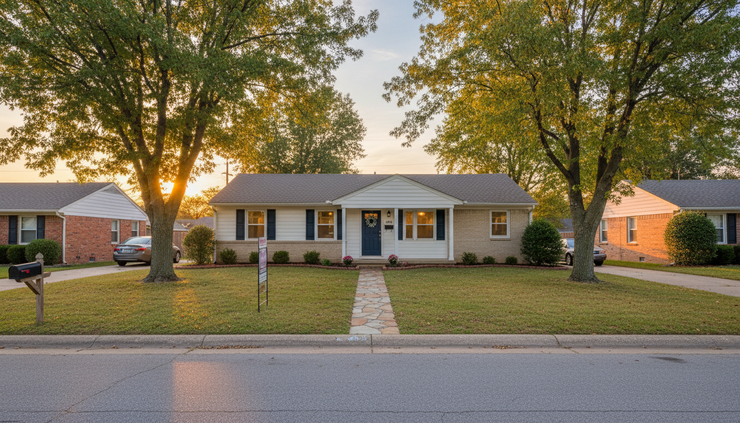
What title insurance does
Title insurance protects against financial loss tied to defects in a property’s title. The title is the legal right to own, use, and transfer the property. When a buyer purchases real estate, they need confidence that the seller truly has the right to sell it and that no hidden claim can threaten their ownership later.
There are two common types of title insurance:
Owner’s title insurance
Protects the buyer’s equity and ownership interest in the property.
Lender’s title insurance
Protects the mortgage lender’s interest in the property until the loan is paid off.
Lenders usually require a lender’s policy when a buyer takes out a mortgage. An owner’s policy is often optional, but it can be one of the most valuable protections a buyer receives at closing.
Unlike homeowners insurance, which covers future events such as fire or storm damage, title insurance focuses on past issues. It covers problems that existed before the buyer received the deed, even if those problems were unknown at closing.
Why title insurance matters in real estate transactions
Real estate ownership depends on records. Deeds, mortgages, tax documents, probate files, divorce decrees, and court judgments can all affect a property’s title. Most transactions go smoothly, but even a small mistake in those records can create a serious problem.
For example, imagine a seller bought a home years ago from a relative. The purchase seemed valid, but one heir was never included in the probate process. After the home is sold again, that heir appears and claims an ownership interest. Without title insurance, the new buyer may need to pay legal fees to defend their ownership.
Another common example involves unpaid contractor bills. If a previous owner hired a contractor and never paid, the contractor may have filed a mechanic’s lien. That lien can remain attached to the property, even after the sale, unless it is resolved.
Title insurance helps in two key ways. It reduces risk before closing through the title search, and it provides coverage after closing if a covered issue appears.

How the title search process works
Before issuing a policy, the title company or closing attorney performs a title search. This is a review of public records to confirm ownership history and identify claims against the property.
A typical title search may include:
Deeds showing prior transfers of ownership
Mortgages and releases of old loans
Tax records and unpaid property taxes
Court judgments against current or prior owners
Probate records when an owner has died
Divorce records if property division may affect ownership
Easements, restrictions, and covenants
Recorded liens from contractors, creditors, or government agencies
The goal is to find defects before the buyer closes. If the search uncovers an issue, the title company usually works with the seller, lender, agents, or attorneys to clear it.
For instance, a search may show that a prior mortgage was paid off years ago, but the lender never recorded a release. The seller may need to obtain and record the missing release before closing. In another case, the search may reveal unpaid property taxes that must be paid from the seller’s proceeds at settlement.
The title search does not guarantee that every possible issue will be found. Some problems, such as forged signatures or undisclosed heirs, may not appear clearly in public records. That is where the insurance policy becomes especially important.
Common title issues that can affect buyers
Title problems can be simple paperwork errors or major ownership disputes. Some of the most common issues include the following.
Unpaid liens
A lien is a legal claim against property for a debt. Tax liens, judgment liens, child support liens, and mechanic’s liens can make it difficult to sell or refinance a home. If a lien should have been paid before closing but was missed, title insurance may help cover the loss under the policy terms.
Errors in public records
A deed may contain a misspelled name, incorrect legal description, or wrong recording reference. A small clerical mistake can create confusion about what property was transferred.
Forged or fraudulent documents
If someone forged a signature on a prior deed, that earlier transfer may be challenged. A buyer who had no role in the fraud could still face a claim.
Missing heirs or probate problems
When a property passes through an estate, all legal heirs and required parties must be handled correctly. If someone was left out, that person may later claim rights to the property.
Boundary and easement concerns
Some title policies may address recorded easements or access rights. For example, a shared driveway agreement may give a neighbor the legal right to cross part of the property. Buyers need to know about these rights before closing.

What title insurance may pay for
Coverage depends on the policy, state rules, and exclusions, but owner’s title insurance commonly helps with:
Legal defense if someone challenges covered ownership rights
Payment for covered losses caused by title defects
Costs tied to clearing certain covered title issues
Protection for as long as the buyer owns the home, and sometimes after, depending on the policy
Here is a simple example. A buyer closes on a home and receives an owner’s policy. Two years later, a previous owner’s unpaid judgment is found to have attached to the property before the sale. If that claim is covered, the title insurer may help resolve the lien or reimburse the buyer for covered losses.
That protection can be hard to replace. A title problem can cost far more than the one-time premium paid at closing. It can also delay a future sale or refinance until the issue is fixed.
What title insurance does not cover
Title insurance is helpful, but it is not a blanket guarantee against every property problem. Policies often exclude issues such as:
Problems the buyer created after closing
Defects the buyer knew about but did not disclose
Certain zoning or land-use restrictions
Environmental problems
Matters not covered by the policy language
Some boundary issues unless special coverage is added
Buyers should read the title commitment before closing. This document lists requirements that must be satisfied and exceptions that will remain after the policy is issued. Exceptions can include utility easements, subdivision restrictions, or other recorded items that affect the property.
A clear review can prevent surprises. For example, if a buyer plans to build a detached garage, a recorded utility easement across the backyard may limit where that structure can go.
The main benefits for property buyers
Title Insurance Explained in plain terms means this: it helps buyers turn a public-records review into long-term protection.
The benefits include:
Greater confidence at closing
The title search helps confirm that the seller can transfer ownership.
Protection from hidden past problems
Covered defects that existed before closing may be handled by the insurer.
Support during legal claims
If someone challenges the buyer’s title, the policy may cover legal defense.
Smoother future transactions
A resolved title issue can make it easier to sell or refinance later.
One-time cost
Owner’s title insurance is typically paid once at closing, not monthly.

A practical takeaway before closing
Title insurance is easy to overlook because it deals with problems most buyers never see. That is exactly why it matters. The title search checks the property’s history, and the policy helps protect buyers if covered ownership issues surface later.
Before closing, review the title commitment, ask questions about exceptions, and understand the difference between lender’s coverage and owner’s coverage. A home purchase is a major commitment. Clear title protection helps make sure the ownership received at closing is the ownership expected.


Comments