.png)

How Location Shapes Your Home's Selling Price and Boosts Its Value
- James Scott

- 5 days ago
- 5 min read
A home can be updated, staged, and cleaned. Its location cannot be moved. That is why buyers pay close attention to what surrounds a property, not just what sits inside it.
Location affects daily life. It shapes commute times, school options, safety, noise, walkability, and future resale appeal. It also plays a major role in home selling price, especially when buyers compare similar homes in nearby areas.

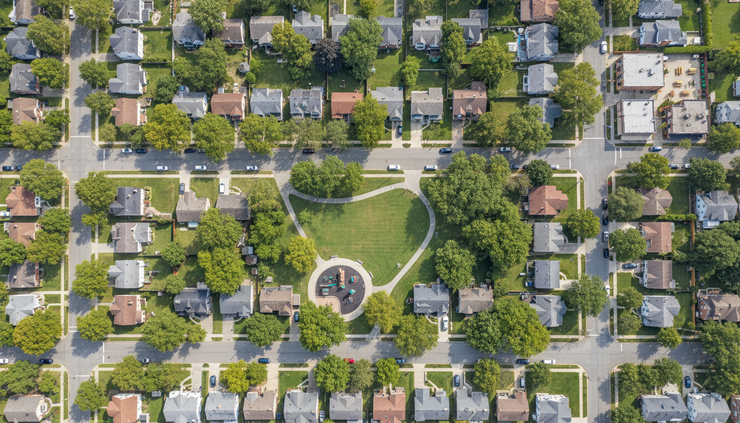
Proximity to schools, parks, and amenities can lift demand
Buyers often start with convenience. A home near good schools, parks, grocery stores, restaurants, medical offices, and major roads can attract more interest.
For many buyers, location saves time. A short drive to school or a walkable route to a park has real value. Easy access to daily needs can make a home feel more practical, even if the house itself is modest.
School access can be especially important. Many buyers review school district boundaries before they tour homes. A well-regarded district can support stronger demand. Homes near parks and trails can also stand out because outdoor space adds lifestyle value.
Amenities matter most when they fit the buyer’s routine. These often include:
Grocery stores and pharmacies
Buyers like quick access to daily essentials.
Parks and recreation areas
Green space can make a neighborhood feel more livable.
Restaurants and local shops
Nearby options can add convenience and character.
Highways and public transportation
Shorter commutes can make a home more appealing.
The key is balance. Being close to amenities helps. Being too close to noise, heavy traffic, or late-night activity can hurt value.

Safety and crime rates influence buyer confidence
Buyers want to feel comfortable in the area around the home. Neighborhood safety can affect how long a property stays on the market and how much buyers are willing to offer.
Crime rates are one part of the picture. Buyers may look at public crime maps, talk to neighbors, or visit the area at different times of day. They may also notice lighting, sidewalk conditions, vacant lots, traffic speed, and general upkeep.
A safe-feeling street can create confidence. A street with poor lighting, frequent noise, or visible neglect can raise concerns.
Homeowners cannot control the whole neighborhood, but they can improve the impression of their property. Focus on what is visible from the street.
Useful improvements include:
Add outdoor lighting near entries, walkways, and driveways.
Repair broken fencing, gates, and railings.
Keep the lawn, shrubs, and trees trimmed.
Make the front entry clean and easy to see.
Replace worn house numbers so visitors can find the home quickly.
These changes do not erase neighborhood concerns. They do help buyers feel that the property has been cared for.
Local market trends determine timing and pricing
Location also affects how fast conditions change. Two neighborhoods in the same city can perform very differently.
A high-demand area may have low inventory, fast sales, and multiple offers. A slower area may need sharper pricing and better presentation. Local trends matter more than national headlines because buyers shop within specific neighborhoods and price ranges.
Watch these signals before listing:
Market signal | What it can mean |
Homes sell quickly | Demand is strong and pricing may support higher offers |
Price reductions are common | Sellers may be starting too high |
Inventory is low | Buyers have fewer choices |
Similar homes sit unsold | Presentation or pricing may need work |
New construction is nearby | Competition may increase |
Comparable sales are the most useful guide. Look at homes that are close in size, condition, age, and location. A sale from across town may not reflect your buyers’ options.
Seasonality also matters. In many U.S. markets, spring and early summer bring more buyer activity. Some areas stay active year-round because of job growth, relocation, or tight housing supply.

Economic factors shape long-term value
Local economics can push prices up or hold them back. Buyers often pay more in areas with stable jobs, strong wages, and steady population growth.
Major employers, hospitals, universities, airports, and business districts can increase housing demand. So can new infrastructure, such as road improvements or transit access. By contrast, job losses or declining local services can reduce buyer confidence.
Property taxes also affect value. A home with high taxes may need to be priced carefully, even in a desirable area. Insurance costs, HOA fees, and utility costs can also influence affordability.
Future development matters too. A new park, school, or shopping area can help. A planned highway expansion or industrial use nearby may create noise or traffic concerns. Before selling, check public planning documents when possible. Buyers may already be doing the same.
How homeowners can improve value based on location
You cannot move the house, but you can frame the location well and reduce objections.
Start with the features buyers already want. If the home is near a park, show it in listing photos or mention the walking distance accurately. If the commute is easy, name nearby highways or transit access. If the area has popular restaurants, shopping, or trails, include them in the listing copy.
Next, make the outside of the home match the area’s best qualities. Strong curb appeal can help a home compete in almost any location.
Focus on these practical steps:
Highlight nearby strengths
Mention schools, parks, commute routes, and services when they add real value.
Reduce noise concerns
Use weatherstripping, solid fencing, landscaping, or window upgrades where useful.
Improve outdoor living
Add seating, lighting, planters, or a clean patio if the yard is a selling point.
Show care from the curb
Paint the front door, clean walkways, refresh mulch, and fix visible wear.
Price for the micro-market
Use nearby comparable sales, not broad averages.
If the location has a drawback, do not ignore it. Price and presentation should account for it. A home on a busy road may need stronger curb appeal, better interior updates, or a more competitive price.
For help thinking through your property’s location, pricing, and sale strategy, contact The Scott Estates team.
FAQ
Does location matter more than home condition?
Both matter, but location often sets the price range. Condition can help a home sell faster or attract stronger offers within that range.
Can a bad location be overcome with upgrades?
Upgrades can help, but they rarely erase major location issues. Focus on improvements that reduce buyer concerns, such as noise control, privacy, lighting, and curb appeal.
How close is too close to amenities?
Close is helpful when access is easy and quiet. Too close can hurt value if there is heavy traffic, noise, parking trouble, or late-night activity.
Should I mention schools in my listing?
Yes, if school access is a known buyer priority in the area. Keep wording factual and avoid making claims that could become outdated.
The location takeaway
Location shapes buyer demand before the showing starts. Schools, parks, safety, market trends, and local economics all affect what buyers will pay.
The best approach is simple. Understand the strengths of the location. Fix what the property can control. Price it against nearby comparable homes. That gives the home the best chance to stand out and sell for its strongest fair-market value.


Comments